
A. J. Caliendo (pronouns: “Yinz”) grew up in Pittsburgh and attended a school not unlike the fictional one portrayed here. In midlife he began working as a freelance journalist, humor writer, and community theater reviewer for regional publications, receiving a Golden Quill Award in 1997. His one-act play, This Meeting will Now Come to Disorder, was staged in 2010 by the Pittsburgh New Works Festival.
At age 49, A. J. was, thankfully, revived from sudden cardiac death. Musing on the experience afterward, he wondered why he had not seen the white light and tunnel others experience in near-death. “That’s only for people going to heaven,” a loved one explained. Implanted defibrillators prevented further such tests of God’s plan for a long while. This book is his first work of fiction, a labor of love that he very much wanted to see through. His original voice is inimitable. But what he wanted to say was never in doubt, and in that spirit, his unforgettable world is offered to readers who may recognize a bit of their own histories through his unique prism.
Afterword
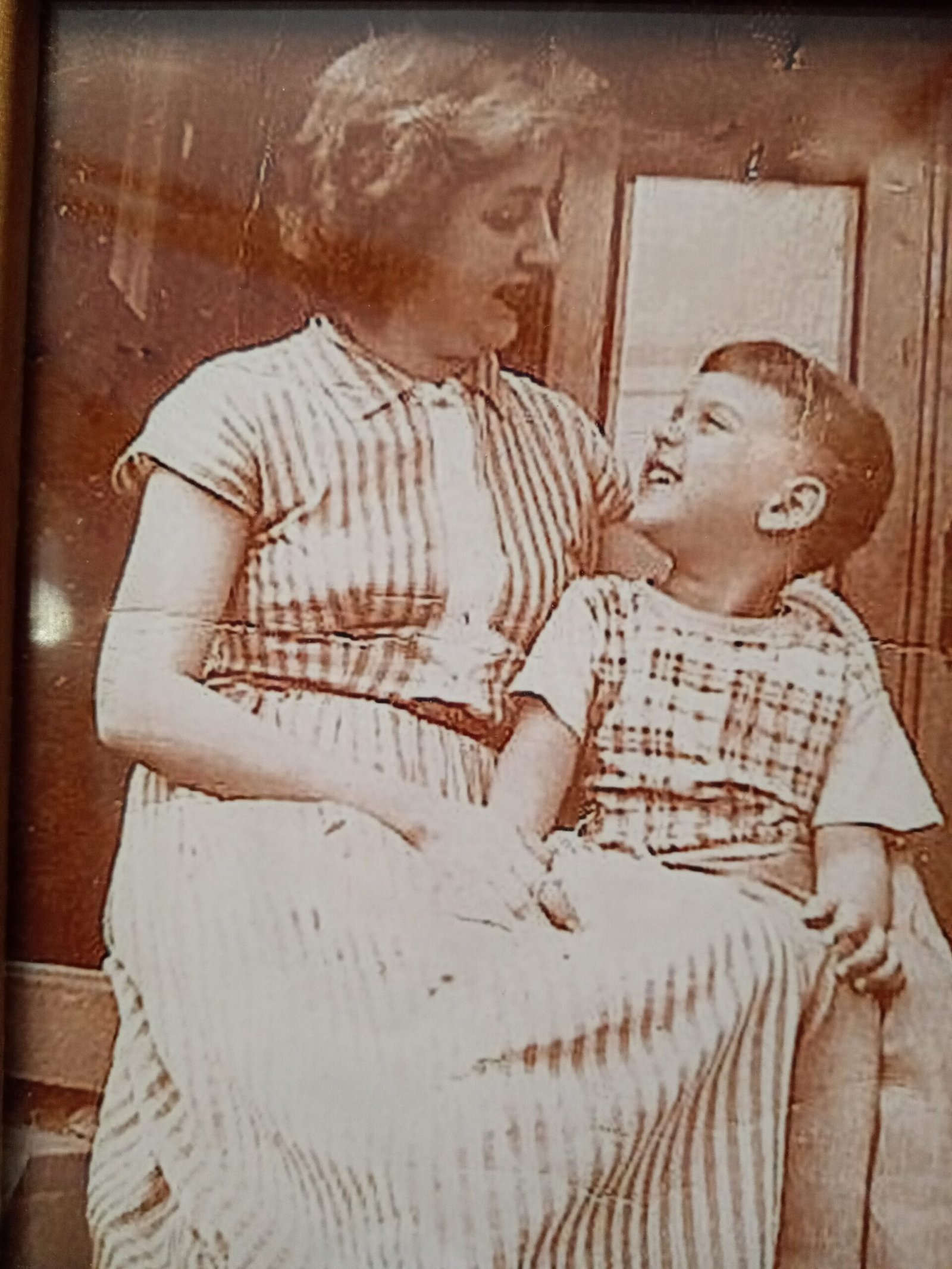
No stranger to childhood tragedy himself, at age four, A. J. and his younger brother, Jim, lost their mother, and before that, their older sister, Judy. Like many families, tragedies of all sorts have permeated through the branches of their family tree, leaving visible and invisible marks; they are rarely discussed but never, ever forgotten.
A. J.’s spirit soared above significant health issues for many years; his attention was on the things (theater, books, writing, television shows, crosswords) and the many people he loved. It was almost like the health issues were happening to someone else. He once asked, while filling out a form, what he should check for overall health: Excellent, Very Good, Good, Fair, or Poor. He was on the heart transplant list at the time.
Theater was a great passion, and for years he reviewed local community theater and previewed high school spring musicals with deep appreciation and respect. Sitting in the audience in the dark, A. J. would give himself over entirely to the production, willing to go wherever it took him, whether Broadway stars or local kids were on stage. His big, booming laugh, ringing out as an early bit of tentative comedy unfolded on stage, helped assure actors and audiences alike of a successful evening.
After aging off the transplant list, even a heart-assist device and increasingly demanding regimens failed to dampen his interest in others. His indignation could rise to fever pitch if a loved one felt slighted by someone in their lives. He worried deeply about everyone’s problems, large and small, and he was always ready to laugh or make all of us laugh, to immerse himself in a story, to enjoy good food and conversation. Instead of shrinking his world, he grew it, throwing himself into fiction for the first time with this book, awakening an authentic voice, and telling a story he couldn’t wait to share with readers.
Outspoken, known to poke fun, affectionate, and fiercely loving, A. J. adored his family and extended family: brother Jim, former wife Beth, nieces Sara, Jenny, Annie, Katelyn, and nephew Bub (James); in-laws; uncles and aunts; nieces and nephews by marriage; cousins on both sides; exchange students, dear friends, and some special doctors and nurses who had his back until the end. Each had an irreplaceable piece of his heart.
Like the narrator of this book, A. J.’s proudest accomplishments are his truly remarkable sons, Stephen and Scott (Sonny), and grandchildren, Marley, Amelia, Gianni, and Stella, whose boundless hearts, brains, and talents make this planet a better place every day. He lives on in them, and in this work.